

A Canadian Christmas
and the gift of belonging

The best gift I’ve ever received for Christmas arrived in my inbox last week.
“Dear Susan, please find the instructions to download your certificate.” A rather anticlimactic end to well over three years1 of intense hope, labor, despair, confusion, and drama. Finally, enfin—validation, in downloadable form.
I stared at it in disbelief and couldn’t even cry; the shock landed first. At the bottom was my birthdate. Confirmation not just of a claim, but an identity.
I was Canadian. I am Canadian. Je suis Canadienne. I always have been.
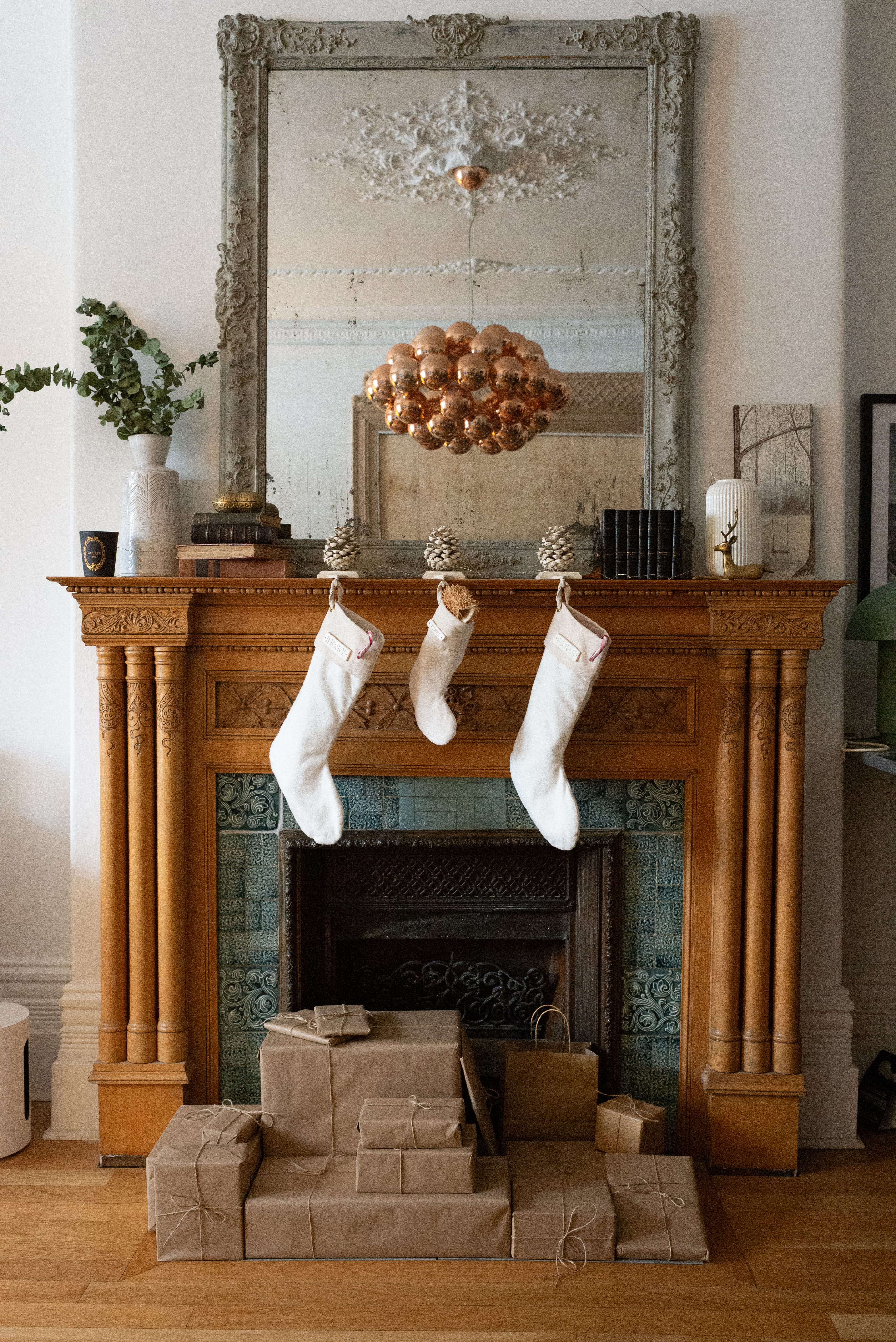
Three years ago I found myself in this very house, here in Montréal, heartbroken after learning that I would not obtain citizenship. My father had received his certificate after many years of work to help him obtain it. Work I had hoped would open the door for me too. Instead, a technicality embedded in the law2 severed citizenship at a single generation, leaving me just outside the line.
I was close enough to feel it, but not to claim it.
I left Montréal wounded but newly determined. Refusing to give up, I mailed my application on Canada Day in 2024. What should have taken three months took seventeen (and a half), due to complex bureaucracy and parliamentary limbo.
During that wait, life continued in the margins. I learned how long seventeen months can feel when basic questions remain unanswered—where and how to live, what you’re allowed to plan for, even whom you can love3. The strain of uncertainty seeped into daily decisions. It was not just my future on hold.
As a queer parent of a trans child, I watched and winced as the ground beneath us shifted in the States. Ground that has never been stable for marginalized groups.
Safety felt increasingly conditional.
I did not reach a point of readiness. I reached a point of resolve. When staying began to feel more untenable than leaving, the question changed. It was no longer about whether I felt prepared, but whether I was willing (and able)4 to act.
Being ready isn’t a feeling; it’s a decision. Once I decided, things moved quickly.
There was so much work to be done. Thankfully, logistics have always been a specialty of mine. I negotiated us out of our lease in Philadelphia, resigned from our homeschool co-op board, sorted what could be stored and what had to be sold or given away, set up cross border bank accounts, calculated exchange rates and contingencies, and pared our lives down to what could reasonably cross a border by car. It felt like deciding what you would grab if your house was on fire.
In this case, the house was America.
I began by packing the irreplaceable: things not of value, but of great meaning. My grandmother’s fleur-de-lys pin. My grandfather’s handwritten letters to me. My mother’s photographs. My father’s ancestry research. My childhood teddy. Journals, albums and books, many of them already challenged or removed.
History has shown us what happens when stories are treated as threats.
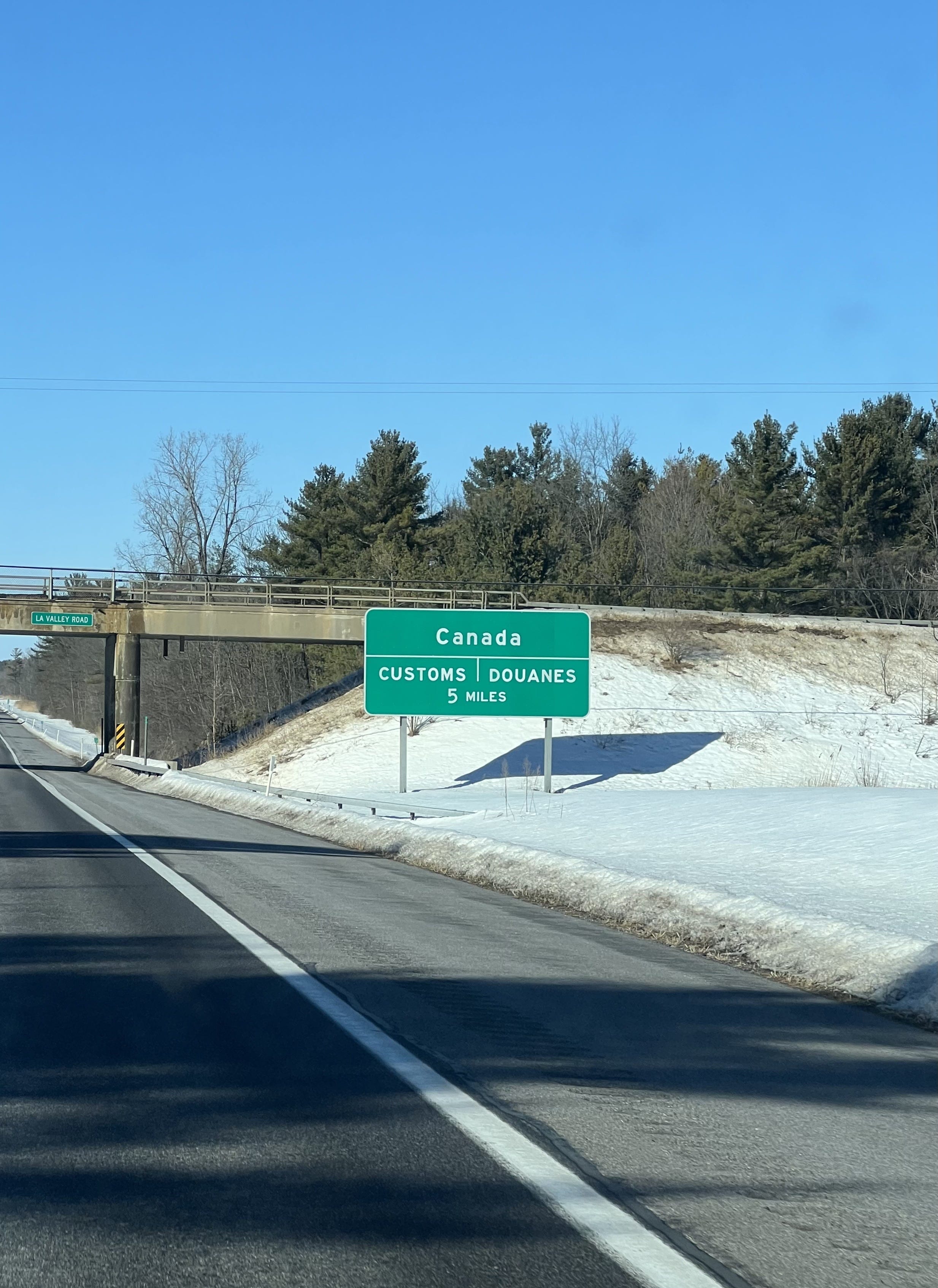
My Subaru Outback was basically filled to the brim: suitcases, bins, two kids and one furry one. With every mile closer to the border, the tension mounted. Entry is never guaranteed. Technically, we were arriving as visitors; my citizenship was still pending. I had every document ready, had rehearsed the process in my head incessantly, and focused on keeping my emotions in check. What I had imagined might turn into an interrogation was instead a brief and pleasant interaction.
We were waved through.
If I hadn’t been driving, I might have collapsed into the relief of that moment. The tears flowed anyway. We waved Canadian and Québec flags as Winni looked on from the passenger seat, wondering what all the sudden fanfare was about.
Our arrival thankfully felt more like returning than starting over.
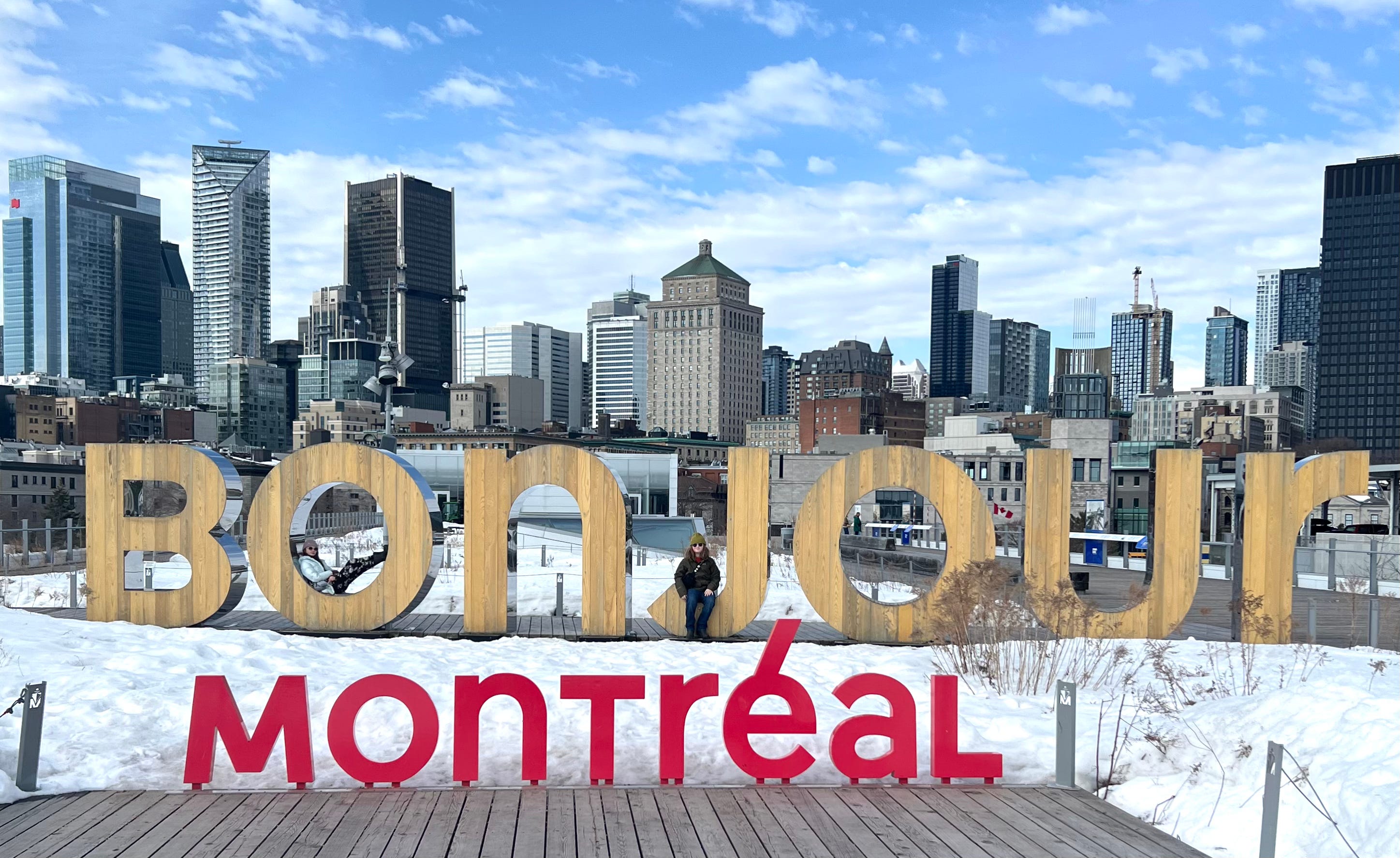
This year has been challenging, to say the least. Now that we fully live here, our focus has been integrating into local life, specifically Québécois culture. It’s very distinct from the broader Canadian culture, which is one of the reasons we love it.
The first few months were quiet and a bit lonely (mostly for the kids). Our nervous systems needed time to recover and regulate. As a trio, finding our footing in a new country, all while navigating a second language, takes time. By May, though, we had gained some momentum and found a groove. The research I did prior to arrival paid off, and we found a tight-knit homeschool community that welcomed us warmly. We had found our people, which made hard days easier to carry.

Here I sit, writing this one floor down from where I initially felt despair.
Same house, different apartment.
Bill C-3 didn’t make me Canadian. It acknowledged what was always true.
Borders are manmade lines, upheld by systems. They matter because we make them matter, even as they remain fundamentally abstract. Living through this experience sharpened my understanding of migration—how often people are asked to live full lives before the law is willing to acknowledge them.
And how many never are.
The day after the winter solstice, my SIN (much like an SSN) number arrived. Another email, another number. And yet it felt like a small rebirth. Entering the new year as a recognized Canadian doesn’t mean everything is resolved. But it does mean this life no longer needs an exit plan.
That, in itself, is a gift.
Longer, considering the work truly began prior to 2020, with my father’s certificate.
For those curious, the new citizenship rules under Bill C-3 came into effect on December 15th 2025. IRCC’s complete overview can be found here.
My devastating summer breakup (with her) was deeply entangled with the uncertainty of my status. Not knowing whether I/we could stay kept us in limbo, at a time when my heart was desperate for certainty. I deeply regret that this caused strain between us.
Ability is unevenly distributed. We were (and are) privileged in ways many families are not, and I do not (and will never) take that for granted.
Hope your 2026 is brighter. Happy new year, Susan.
Very happy for you! Votre Papa.